Core Harvesting Techniques

Deep‑dive into rooftop, surface runoff, bioswales, and more.

Start with Rooftop →

Rooftop Catchment & First‑Flush

Advanced Rooftop Catchment

Rooftop catchment systems channel precipitation from impervious surfaces into storage, typically through gutters, downpipes, and first‑flush diverters that discard the initial contaminant‑rich flow. Yield (Q) can be estimated by:

Q = C × A × P

  • C (Runoff Coefficient): 0.8–0.95 for tile or metal roofs.
  • A (Catchment Area): Measured in m².
  • P (Precipitation): Seasonal depth in mm.
Design Considerations
  • Gutters & Pipes: UV‑stabilized PVC, Ø100–150 mm.
  • First‑Flush Diverter: 0.5–1 L/m² of catchment.
  • Storage: Polyethylene tanks or ferrocement cisterns sized 5–50 m³.
Maintenance & Best Practices
  • Clean mesh filters bi‑monthly during peak leaf fall.
  • Inspect diverter seals seasonally to prevent leaks.
  • Sanitize tanks annually if used for potable applications.
Surface Runoff Harvesting & Recharge

Surface Runoff Capture

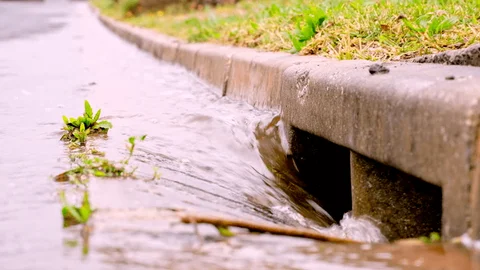
Surface harvesting intercepts sheet flow from paved or natural areas into swales, trenches, or recharge pits. Key metrics include infiltration rate and storage volume.

Channel & Trench Design
  1. Slope: 1–3% gradient for laminar flow.
  2. Trench Depth: 1.5–2 m with layered filter media:
    • 100 mm coarse gravel (Ø20–40 mm)
    • 150 mm fine gravel (Ø4–8 mm)
    • 200 mm washed sand
    • 50 mm activated charcoal (optional)
  3. Overflow Spillway: Grated inlet to adjacent drainage.
Performance & Upkeep
  • Remove silt bi‑annually to maintain infiltration >200 mm/h.
  • Inspect channel linings for erosion after heavy storms.
  • Vegetate sides with native groundcovers to reduce sediment.

Bioswales & Permeable Pavements

Bioswale System

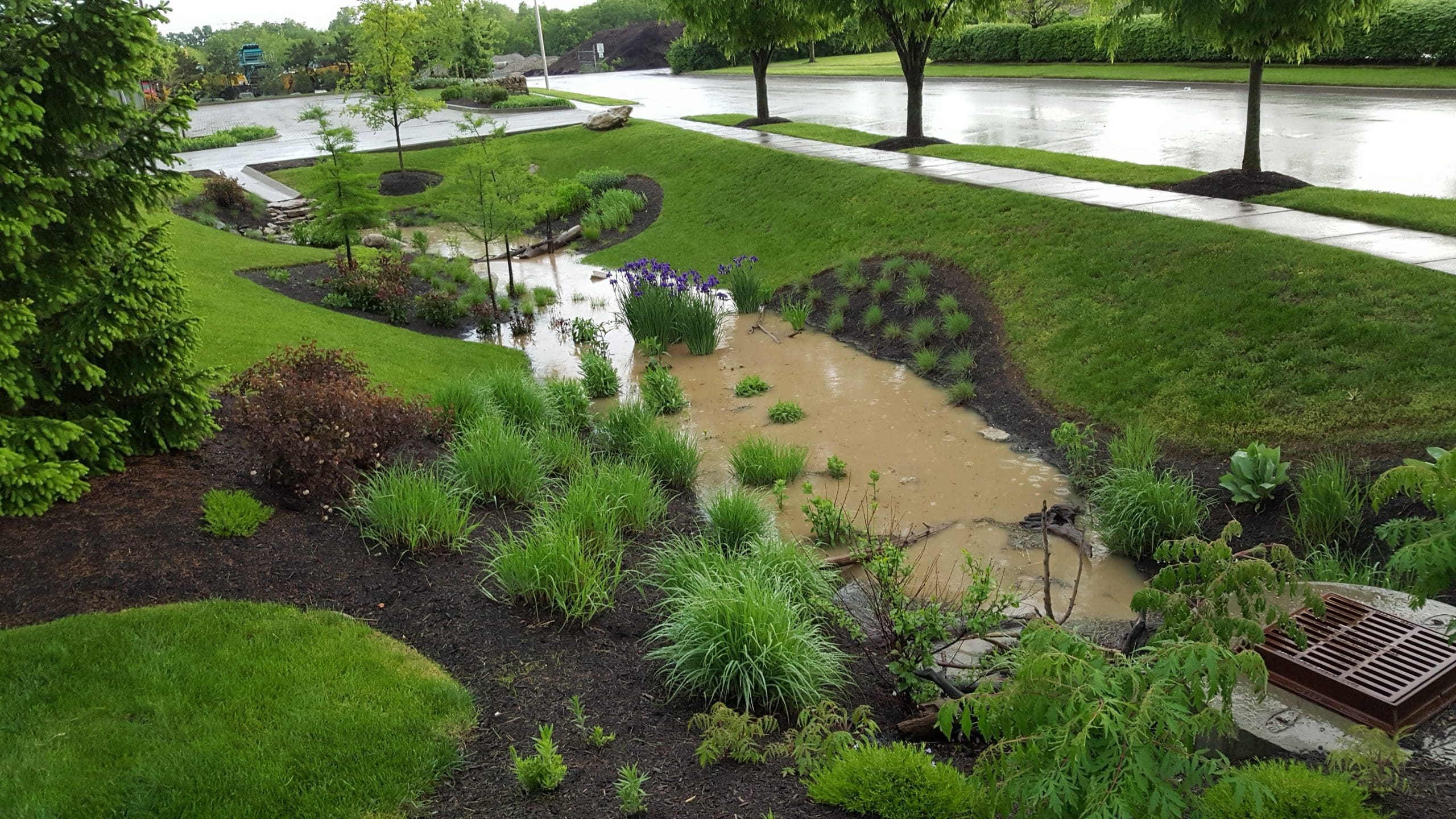
Bioswales are vegetated channels that slow runoff, filter pollutants, and infiltrate water into the subsurface. When paired with permeable pavers, they achieve up to 85% retention of design storms.

Soil & Vegetation
  • Media Mix: 60% coarse sand, 20% compost, 20% topsoil.
  • Plants: Native grasses and shrubs (e.g., Vetiver, Salvia, Juncus).
  • Mulch: 50 mm wood chip layer to reduce evaporation.
Structural Elements
  • Underdrain: Perforated pipe wrapped in geotextile for excess water conveyance.
  • Permeable Pavement: Load‑rated porous concrete pavers, permeability ≥500 mm/h.
  • Inspection Ports: Access points every 20 m for maintenance.
Monitoring & Maintenance
  • Check soil infiltration quarterly; rejuvenate media if <100 mm /h.
  • Prune vegetation annually to prevent clogging.
  • Replace top mulch every two years to maintain organic content.