
Harvest Every Drop

Innovative strategies, expert insights, and the latest breakthroughs in rainwater harvesting.

Explore Research →

Introduction & Global Context

“In a world where 70% of freshwater is consumed by agriculture, rainwater harvesting emerges as a game‑changer.”

Rainfall variability poses critical challenges to food security, especially in arid and semi‑arid regions. In Pakistan alone, over 12 Mha of dryland agriculture depends solely on monsoon rains, yet losses due to runoff and evaporation can exceed 40%. Effective on‑site capture of rainwater can boost yield, recharge aquifers, and mitigate floods.

Studies indicate that rooftop catchment systems paired with underground cisterns can store up to 50 m³ per household per rainy season, reducing urban stormwater load by 30% and cutting municipal supply needs by 20%.

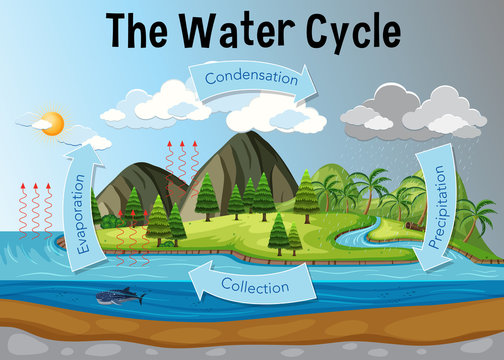
Rainwater Cycle Diagram

Core Harvesting Techniques

Advanced Roof Catchment

1. Rooftop Catchment & First‑Flush Systems

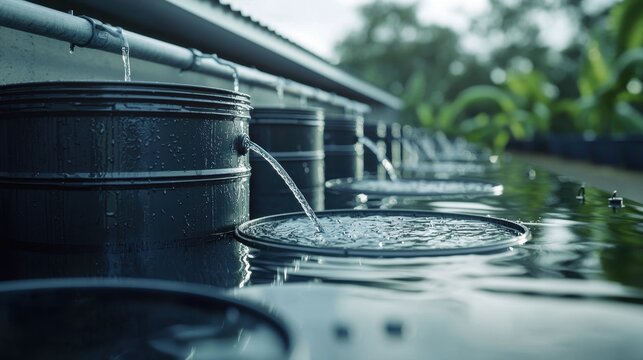
By channeling roof runoff through a first‑flush diverter, impurities are excluded before water enters storage. Modern designs employ self‑cleaning gutters and fine mesh filters to achieve >95% collection efficiency.

  • Materials: UV‑stabilized PVC pipes, stainless‑steel mesh.
  • Storage: Aboveground tanks (polyethylene or ferrocement), underground cisterns.
  • Applications: Domestic drinking water (with treatment), irrigation, toilet flushing.
Deep Dive →
Surface Runoff Capture

2. Surface Runoff Harvesting & Recharge Pits

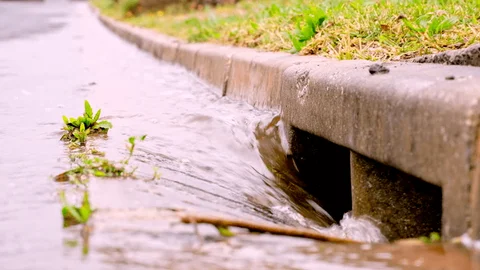
Intercept paved or natural surfaces via gently sloped channels leading into infiltration trenches or recharge pits. Design parameters:

  1. Slope: 1–3% gradient for optimal flow.
  2. Pit Depth: 1.5–2 m with filter media layers (gravel, sand, charcoal).
  3. Overflow: Spillways to prevent flooding of adjacent areas.
Learn More →
Bioswale System

3. Bioswales & Permeable Pavements

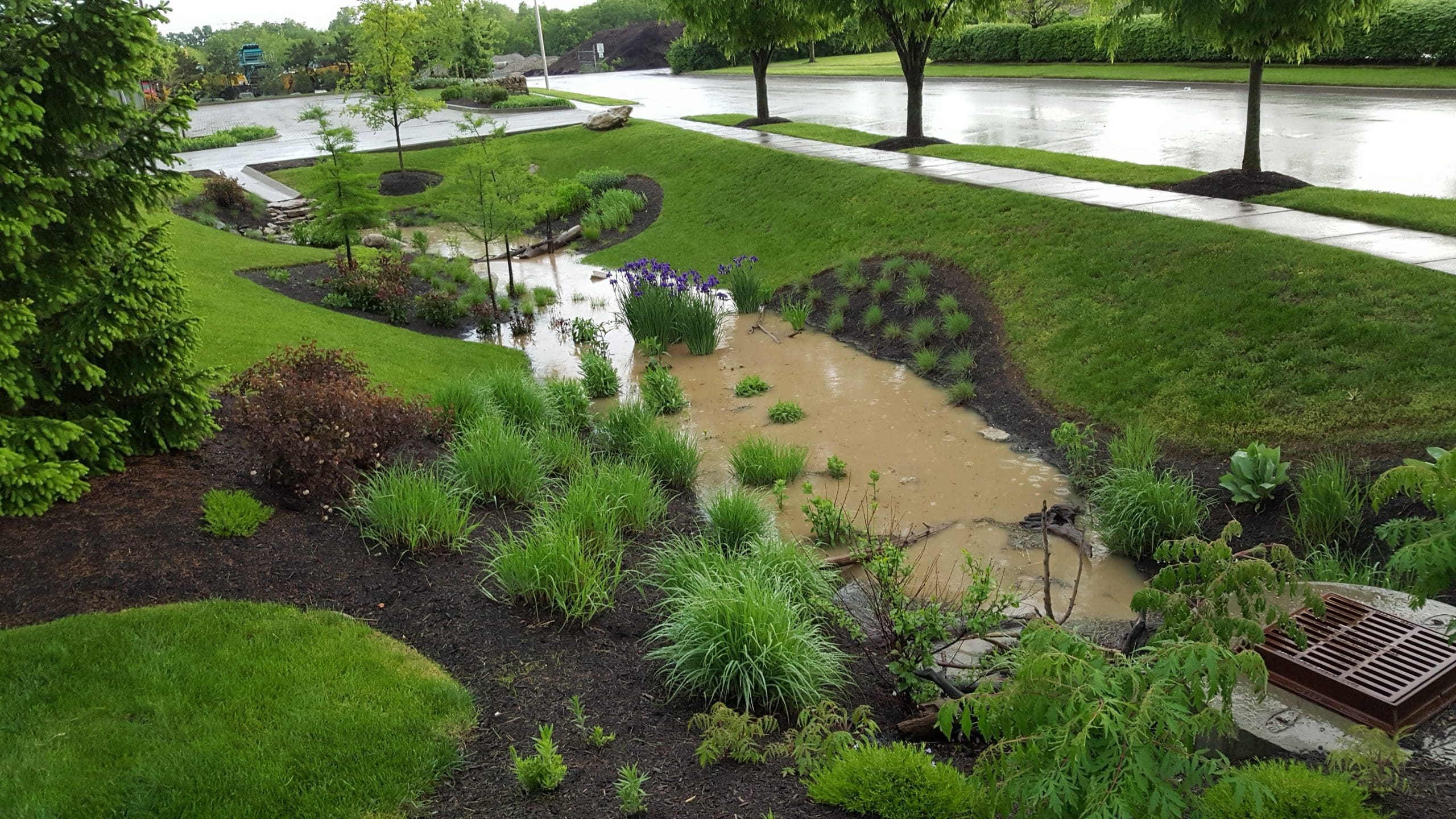
Bioswales—landscaped shallow channels—use vegetation and engineered soils to slow, filter, and infiltrate stormwater. Coupled with permeable pavers, they reduce runoff by up to 85%.

  • Vegetation: Native grasses, shrubs tolerant to both drought and inundation.
  • Substrate: 60% sand, 20% compost, 20% topsoil.
  • Load‑Bearing: Porous concrete pavers rated to 25 MPa for light traffic.
Discover More →

Applications by Area

Residential Area

Customized, small‑scale systems for rooftops, patios, and garden paths.

  • Compact first‑flush diverters
  • Modular tank kits (1–10 m³)
  • Greywater integration
View Residential Solutions →

Commercial Area

High‑capacity harvesting for campuses, shopping centers, and industrial estates.

  • Subsurface detention & recharge
  • Smart monitoring & filtration
  • Hybrid stormwater‑harvest systems
Explore Commercial Kits →

Key Facts & Proven Methods

Fact #1

Every 1 mm of rain on 1 m² yields 1 L of water—potentially billions of liters lost annually in urban catchments.

Method: Check Dams

Small barriers across channels to slow flow, enhance infiltration, and trap sediment.

Method: Rain Gardens

Vegetated depressions that absorb runoff, reduce peak discharge, and improve water quality.

Maximizing Harvested Water

Proper utilization turns collection into real impact. Below are best practices:

Usage Diagram

Latest Developments

Read Full Updates →